
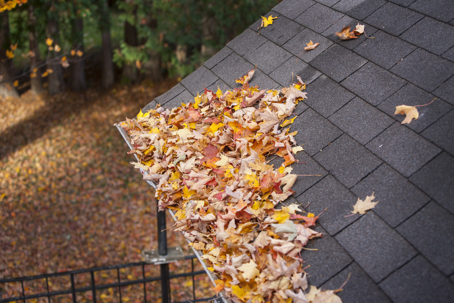
As fall settles over Chattanooga, many homeowners shift their attention to football games, cooler weekends, and preparing for the holidays. It's easy to assume the toughest weather is behind us. In reality, this is often when roofing problems that developed over the summer begin to reveal themselves.
After months of intense sunlight, heavy rain, humidity, and seasonal storms, your roof has already endured significant wear. Cooler temperatures cause roofing materials to contract, while falling leaves and autumn rain introduce a new set of challenges. What looked perfectly fine from the ground in August can suddenly become a source of leaks, moisture damage, or drainage issues by October.
For homeowners across the Tennessee Valley, fall is one of the best opportunities to catch developing problems before winter weather arrives. Knowing what to look for now can help you address small concerns while repairs are still simpler and conditions remain favorable for roofing work.
Why Fall Often Reveals Roofing Problems
A roof doesn't suddenly fail when the calendar changes. Instead, autumn exposes damage that has been building for months.
Throughout Chattanooga's hot, humid summers, roofing materials expand under prolonged heat. Asphalt shingles gradually lose protective granules, sealants dry out around flashing, and repeated storms place additional stress on the roofing system. When cooler evenings arrive, those same materials begin to contract. Small weaknesses can widen into cracks, lifted shingles, or tiny openings where water can enter.
The season also introduces heavier leaf accumulation and frequent rainfall. Together, these conditions make fall one of the easiest times to spot roofing issues before colder temperatures make repairs more difficult.
Regular roof inspections and seasonal maintenance remain some of the most effective ways homeowners can reduce weather-related property damage.
Granule Loss: One of the First Signs Your Roof Is Aging
If you're cleaning your gutters this fall, pay attention to what's inside.
A light sprinkling of asphalt granules is normal on older roofs. However, if you notice thick accumulations that resemble coarse black sand, your shingles may be losing the protective layer that shields them from sunlight and moisture.
Without those granules, shingles become more vulnerable to:
- UV deterioration
- Surface cracking
- Curling edges
- Premature aging
You may also notice bald patches or uneven coloring on portions of the roof. While these changes aren't always obvious from the ground, excessive granules in gutters or around downspout outlets often provide an early warning.
Ignoring this stage doesn't necessarily mean an immediate leak, but it does shorten the roof's ability to withstand future storms.
Flashing Problems That Can Lead to Hidden Leaks
Most roof leaks don't begin in the middle of a shingle field.
Instead, they often develop around areas where different roofing materials meet, such as chimneys, skylights, plumbing vents, and roof valleys. These locations rely on metal flashing and sealants to direct water away from vulnerable joints.
After months of summer heat, sealants may begin shrinking or cracking. As temperatures fluctuate during fall, those gaps become more noticeable.
From the ground, look for:
- Lifted flashing edges
- Missing sealant
- Rusted metal
- Water streaks beneath roof penetrations
Even a small separation can allow rainwater to travel beneath the roofing materials before eventually appearing as a ceiling stain somewhere inside the home.
Because water rarely enters directly above the stain you see indoors, flashing problems are often more extensive than they initially appear.
Gutters Can Tell You More Than You Think
Fall leaves don't just create extra yard work.
When gutters become packed with leaves, twigs, and seed pods, water loses its intended path off the roof. Instead, it begins pooling along the roof edge or spilling over the sides.
Over time, this can affect much more than the gutters themselves.
Overflowing gutters may contribute to:
- Wet roof decking
- Rotting fascia boards
- Damaged soffits
- Mold growth
- Loose gutter fasteners
The National Weather Service recommends keeping gutters clear throughout the fall to help reduce water damage around homes during seasonal rainfall.
Homes surrounded by mature trees may require multiple cleanings throughout the season instead of waiting until all the leaves have fallen.
Overhanging Branches Become More Dangerous in Autumn
Tree-lined neighborhoods are one of the things many people love about the Chattanooga area. They also create one of the most overlooked roofing hazards during the fall.
Branches brushing against shingles may seem harmless, but repeated movement can gradually wear away protective granules. During windy conditions, larger limbs may crack, scrape flashing, or puncture roofing materials altogether.
Dead limbs deserve particular attention.
As autumn rains saturate weakened wood, branches become heavier and more likely to fail during storms.
Before winter arrives, take a walk around your property and look for limbs that:
- Rest on the roof
- Hang directly above valleys
- Touch chimneys
- Extend over ridgelines
Trimming problem branches now may prevent both roof damage and the need for expensive emergency tree removal later.
Your Attic May Reveal Problems Before Your Ceiling Does
Some of the earliest signs of roofing trouble aren't visible from outside at all.
The attic often provides valuable clues about how well the entire roofing system is performing.
After summer's humidity, warm air trapped inside an attic can condense against the underside of the roof deck once cooler nights arrive. Over time, that moisture creates an environment where mold, wood deterioration, and insulation damage become more likely.
During a quick attic inspection, watch for:
- Damp insulation
- Darkened roof decking
- Rust forming on exposed nails
- Musty odors
- Visible moisture stains
These warning signs don't always indicate an active roof leak. In many cases, they point to ventilation problems that deserve attention before winter increases indoor humidity.
When Small Roofing Issues Start Pointing to a Bigger Problem
Not every loose shingle requires immediate repair.
Likewise, a few leaves in the gutter or a handful of granules aren't necessarily cause for concern.
The bigger picture matters.
If several warning signs appear together, they're often connected.
For example:
- Granules collecting in gutters after every rain
- Ceiling stains that weren't there last season
- Gutters overflowing despite recent cleaning
- Flashing that appears lifted
- Branches rubbing against shingles
- Damp insulation inside the attic
Each issue adds another piece to the puzzle.
When homeowners notice multiple symptoms at once, it's often a sign the roof has experienced cumulative wear rather than one isolated problem. Waiting through another season may allow moisture to spread beneath the roofing materials, leading to repairs that become more involved than they needed to be.
Don't Overlook Damage Left Behind by Summer Storms
Strong winds and hail don't always create obvious damage.
Sometimes shingles become loosened without tearing off. Other times, hail bruises the asphalt surface while leaving little evidence visible from the ground.
Those weakened areas may continue functioning for weeks before fall weather exposes the damage through water intrusion or accelerated wear.
If your neighborhood experienced severe weather during the summer, scheduling an inspection before winter is often a practical decision—even if everything appears normal from your driveway.
Many forms of wind damage are difficult for homeowners to identify safely without a closer inspection.
A Practical Fall Roof Check You Can Do From the Ground
You don't need to climb onto your roof to stay aware of its condition.
Instead, take a slow walk around your property and look for changes that weren't there earlier in the year.
Check for:
- Missing or curled shingles
- Excessive granules near downspouts
- Sagging or overflowing gutters
- Branches contacting the roof
- Water stains on interior ceilings
- Damp or musty attic conditions
These observations won't replace a professional inspection, but they can help you recognize when it's time to have the roof evaluated.
Address Roofing Problems Before Winter Makes Them Worse
Fall offers a valuable window to identify roofing concerns while weather conditions remain favorable for inspections and repairs. Waiting until winter often means dealing with active leaks, water damage, or repairs that become more challenging during colder weather.
If you've noticed worn shingles, overflowing gutters, signs of storm damage, or moisture inside your attic, having your roof professionally evaluated can help you understand what's happening before small issues become larger ones.
Could your roof be hiding damage from the summer that hasn't surfaced yet? Contact Lee Roofing at (423) 589-1792 to schedule a professional roof inspection or repair evaluation. Request your roof inspection today and head into winter knowing your roof is ready for the season ahead.