
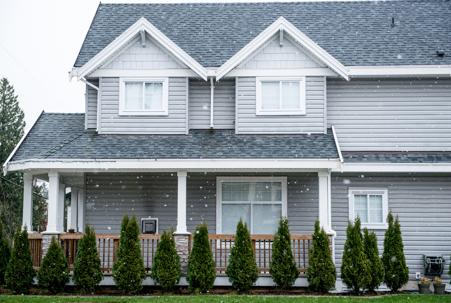
A winter storm doesn't have to leave behind heavy snow to damage your roof. In Nashville, freezing rain, strong winds, sleet, and rapid temperature swings often do more harm than a thick blanket of snow ever could. Because the damage isn't always obvious, many homeowners assume everything is fine until they notice a ceiling stain weeks later or discover shingles scattered across the yard.
After years of repairing roofs affected by winter weather, one thing becomes clear: the sooner you recognize storm damage, the easier it is to prevent it from turning into a much larger repair. A careful inspection from the ground—and knowing which warning signs deserve immediate attention—can help you make informed decisions before the next round of winter weather arrives.
Why Winter Storm Damage Isn't Always Easy to Spot
Unlike severe thunderstorms that often leave visible destruction, winter weather tends to cause gradual damage.
Moisture works its way into tiny cracks. Overnight freezing temperatures cause that moisture to expand, then warmer daytime temperatures allow it to thaw again. This freeze-thaw cycle places repeated stress on shingles, flashing, sealants, and roof edges.
According to the National Weather Service, freezing rain is one of the most damaging forms of winter precipitation because ice bonds directly to surfaces, increasing weight while making roofing materials more vulnerable to movement and cracking.
For homeowners in the Nashville area, several winter storms over the course of a season can quietly compound this damage.
Walk Around Your Home Before Looking Anywhere Else
You don't need to climb onto your roof after a storm.
In fact, walking on an icy roof is never recommended.
Instead, start with a slow walk around your property and look upward from several different angles.
Pay attention to:
- Missing shingles
- Shingles that appear curled or lifted
- Pieces of roofing material in the yard
- Sagging gutters
- Bent flashing near chimneys or vents
Even if you only notice one concern, it's worth keeping an eye on the area after the next rainfall.
Check Your Gutters for Clues
Your gutters often tell the story before your ceiling does.
As snow and ice melt, damaged roofing materials may wash into the gutter system.
Watch for:
- Large amounts of asphalt granules
- Loose pieces of shingles
- Twisted or pulling gutters
- Downspouts that overflow despite little debris
Ice can also loosen gutter fasteners, causing sections to pull away from the fascia. Left alone, this allows water to spill behind the gutter instead of flowing safely away from the home.
Don't Ignore What You Find Inside
Roof damage frequently shows up indoors before homeowners ever notice a problem outside.
After a winter storm, take a few minutes to inspect areas that are directly below the roof.
Look for:
- New ceiling stains
- Peeling paint near exterior walls
- Damp drywall
- Musty odors
- Water around skylights
If your home has an accessible attic, shine a flashlight across the underside of the roof decking. Dark stains, damp insulation, or rusty nail tips may indicate moisture entering through the roofing system.
Storm Damage Doesn't Always Mean Missing Shingles
Some of the most important winter storm damage can't be seen from the driveway.
Strong winds may loosen shingles without tearing them off completely. Ice can separate flashing from chimneys or vent pipes by only a fraction of an inch. Those small openings often stay hidden until repeated rain finds its way underneath the roof.
Professional inspections commonly uncover issues such as:
- Lifted flashing
- Damaged sealants
- Loose fasteners
- Small punctures
- Moisture beneath roofing materials
Finding these problems early often prevents more extensive interior repairs later.
Which Problems Need Immediate Attention?
Not every roofing issue carries the same level of urgency.
Some situations can safely wait a few days for an inspection. Others deserve immediate attention.
Arrange prompt professional service if you notice:
- Active water dripping indoors
- A sagging roofline
- Large sections of missing shingles
- Fallen tree limbs on the roof
- Gutters separating from the house
- Interior ceiling cracks that appeared after the storm
These conditions can worsen quickly if another winter system moves through before repairs are made.
Document Everything Before Making Repairs
If you suspect storm damage, avoid rushing into cleanup before documenting what you see.
Take photos from the ground showing:
- The entire roof
- Missing shingles
- Fallen branches
- Gutter damage
- Interior water stains
Write down the date of the storm and when you first noticed the damage.
Good documentation can make conversations with your insurance provider much easier if a claim becomes necessary.
The Insurance Information Institute recommends documenting property damage as soon as it is safe following severe weather events.
A Professional Inspection Can Reveal What You Can't See
Even the most careful ground inspection has its limits.
Roofing professionals know where winter weather typically causes hidden damage and can safely examine areas homeowners cannot.
A thorough inspection may identify:
- Compromised flashing
- Moisture beneath shingles
- Soft roof decking
- Ventilation concerns
- Storm-related damage that may qualify for insurance coverage
Having a clear understanding of your roof's condition allows you to prioritize repairs before spring storms arrive.
Don't Let Small Winter Problems Follow You Into Spring
Winter storms rarely announce how much damage they've left behind. Sometimes the only clue is a loose shingle, a handful of granules in the gutter, or a faint ceiling stain that wasn't there before. Taking those early signs seriously can help prevent moisture from spreading through the roofing system as the seasons change.
Have you noticed something that doesn't look quite right after the last winter storm? Contact Lee Roofing at (423) 589-1792 or through our contact form to schedule a professional roof inspection or storm damage assessment.